

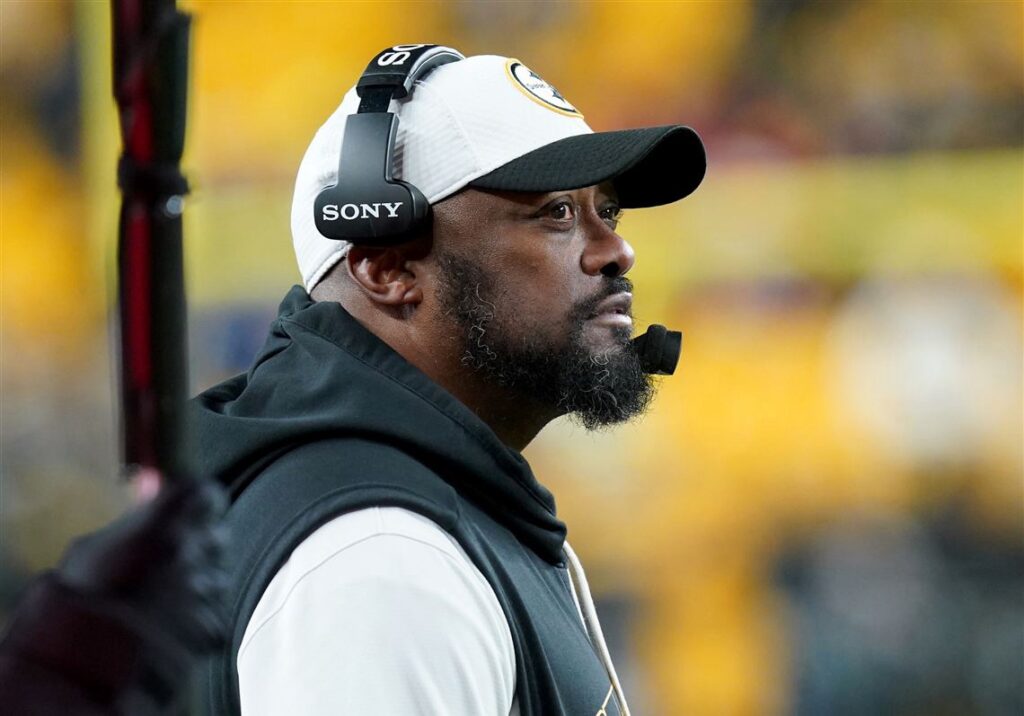
Mike Tomlin has stepped down as head coach of the Pittsburgh Steelers, bringing an end to one of the longest and most stable tenures in modern NFL history. Tomlin’s departure closes a remarkable 19-season run with the franchise, one defined by consistency, leadership, and sustained competitiveness.
Tomlin, who took over the Steelers in 2007 following Bill Cowher’s retirement, exits as one of the most accomplished coaches the organization has ever had. His decision comes after Pittsburgh’s Wild Card playoff loss to the Houston Texans, a defeat that extended the franchise’s postseason win drought and intensified questions about the team’s long-term direction.
A Run Defined by Consistency
Few coaches in NFL history can match Tomlin’s regular-season résumé. Over 19 seasons, he never posted a losing record, a feat unmatched among long-tenured head coaches in the league. Tomlin compiled 193 regular-season victories, tying Hall of Famer Chuck Noll for the most wins in Steelers history.
Tomlin’s early success set the tone for his career. In just his second season, he led Pittsburgh to a victory in Super Bowl XLIII, making him the youngest head coach at the time to win a Super Bowl. Under his leadership, the Steelers made 13 playoff appearances, won eight AFC North titles, and remained a perennial contender in a highly competitive conference.
Postseason Struggles and Growing Scrutiny
Despite consistent regular-season success, Tomlin’s later years in Pittsburgh were increasingly defined by postseason disappointment. The Steelers finished Tomlin’s tenure with an 8–12 playoff record, failing to advance past the Wild Card round in recent appearances.
While Tomlin remained widely respected inside the locker room, criticism grew from portions of the fan base who questioned whether the franchise needed a new voice to push beyond its playoff ceiling.
Reaction from the Organization
Steelers president Art Rooney II praised Tomlin’s impact in a statement, calling him a defining figure in the modern history of the franchise and crediting him for upholding the organization’s standards of toughness, accountability, and competitiveness.
Tomlin becomes only the third head coach to lead the Steelers since 1969, joining Noll and Cowher in a rare lineage that underscores just how significant this transition is for the organization.
What Comes Next for the Steelers
With Tomlin stepping aside, Pittsburgh enters unfamiliar territory. The Steelers have not conducted an open head-coaching search in nearly two decades, and the next hire will shape the franchise’s identity for years to come.
Early speculation points to both internal candidates and established names from around the league as potential successors, as the organization looks to maintain its culture while addressing long-standing postseason shortcomings.
Tomlin’s Legacy
Mike Tomlin leaves Pittsburgh as a Super Bowl champion, a model of consistency, and one of the most respected leaders of his generation. His ability to adapt across eras — from the prime of Ben Roethlisberger to multiple quarterback transitions — cemented his reputation as one of the NFL’s elite coaches.
Whether Tomlin chooses to pursue another coaching opportunity, move into broadcasting, or step away from football entirely remains unclear. What is certain is that his departure marks the end of an era for the Pittsburgh Steelers — and the beginning of a new chapter.